Written up after the job, while we still remember what we would do differently. Mostly about Chișinău and the hills around it.
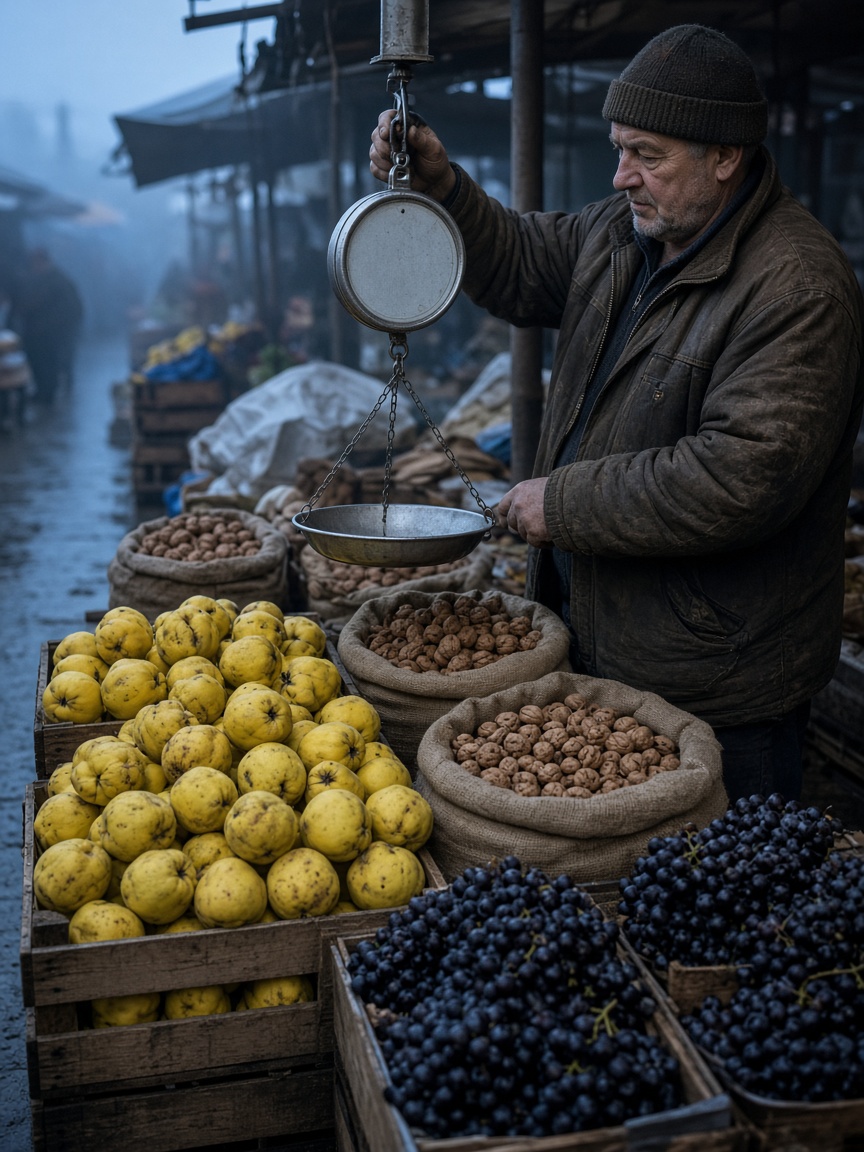
Booking Piața Centrală before seven
The administration of the central market will issue a letter for a commercial shoot, and you need it, but it does not make a single vendor agree to anything. The stalls are rented by individuals and each one decides for themselves whether a camera can stand in front of their quinces for two hours.
What works for us is going in person the Friday before, early, with prints from an earlier shoot so people can see the kind of frame we mean. We pay per stall for the time we hold it, in cash, and we agree in advance whether faces can appear. Several vendors are happy to be photographed; a few prefer hands only, and that frame is often the better one anyway.
Arrive by 06:15. By half past seven the aisles are full, the light under the awnings goes flat and nobody has time for you.
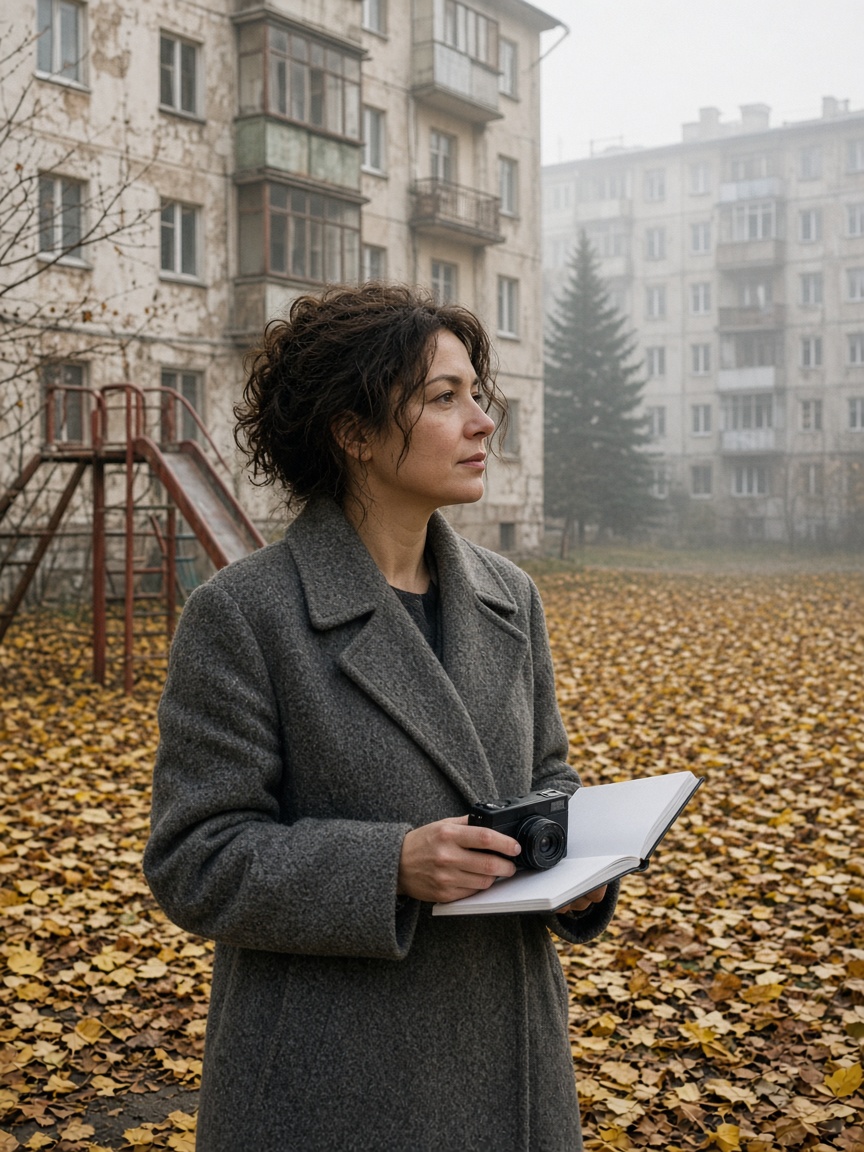
Recce kit for the Botanica courtyards
Cristina's bag for a courtyard recce is small: a camera with a 35 mm lens, because it is close to what most of our photographers use for location work; a phone with a sun-path app set to the shoot date rather than today; a tape measure; a notebook; and a printed list of the building associations in the sector with phone numbers.
The list matters more than the lens. In Botanica most courtyards are looked after by the association of the block, and the person with the keys to the basement, where the only usable socket usually is, is often a retired engineer on the ground floor. Knowing that before you knock saves a morning.
She photographs every courtyard from the same four corners, so the client can compare them like for like, and writes down where a van can stand without blocking a garage. That line ends up being the deciding one more often than anyone expects.
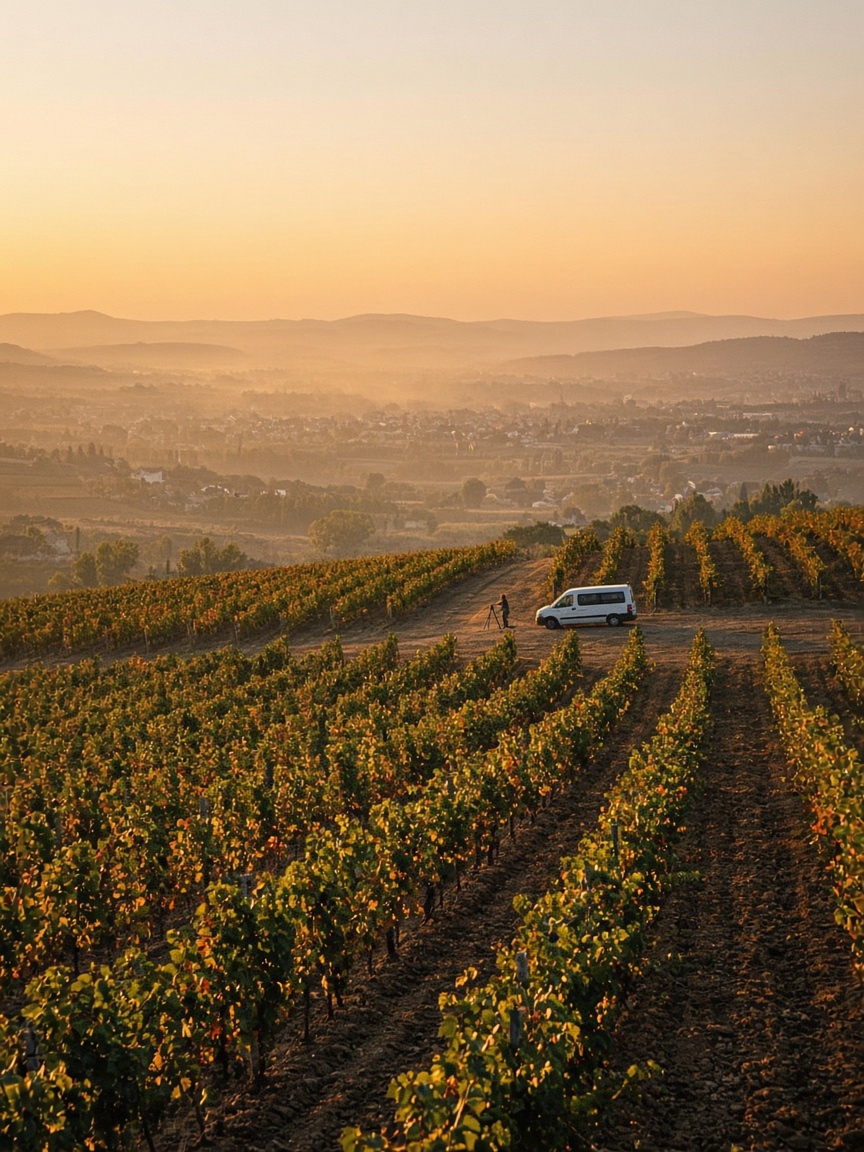
Where the sun goes down over Cricova
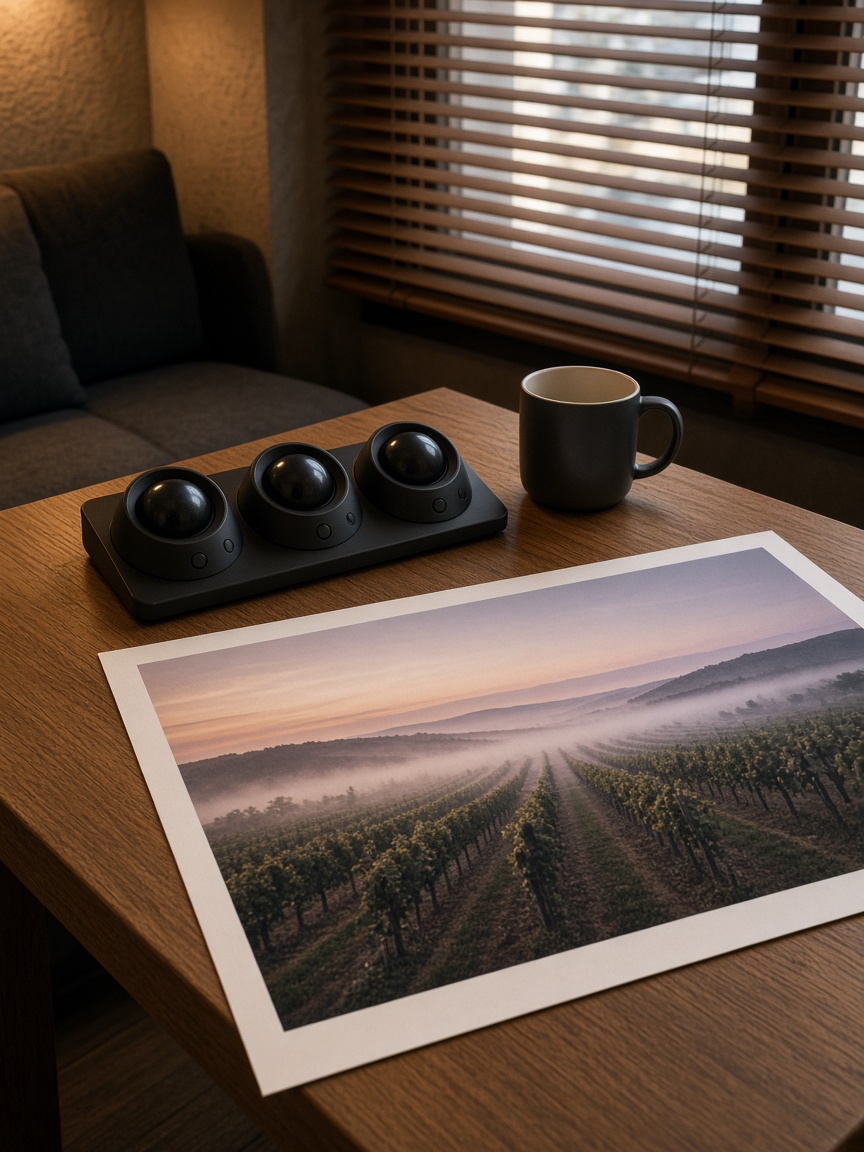
North of the city the vineyards sit on slopes that face every direction, and in autumn the sun sets about two minutes earlier each day. A slope that is perfect on the recce can be in shadow by the shoot a fortnight later.
We now recce vineyards twice: once to choose the rows, and once in the same week as the shoot at the actual time, with a stills camera on a tripod so we can compare. In mid-October the useful light on the west-facing rows above Cricova ends around 18:20; by the first week of November it is gone before six.
Plan the day backwards from sunset, and put the wide shots in the scouting day if the budget allows. The main day then only has to deal with the people.
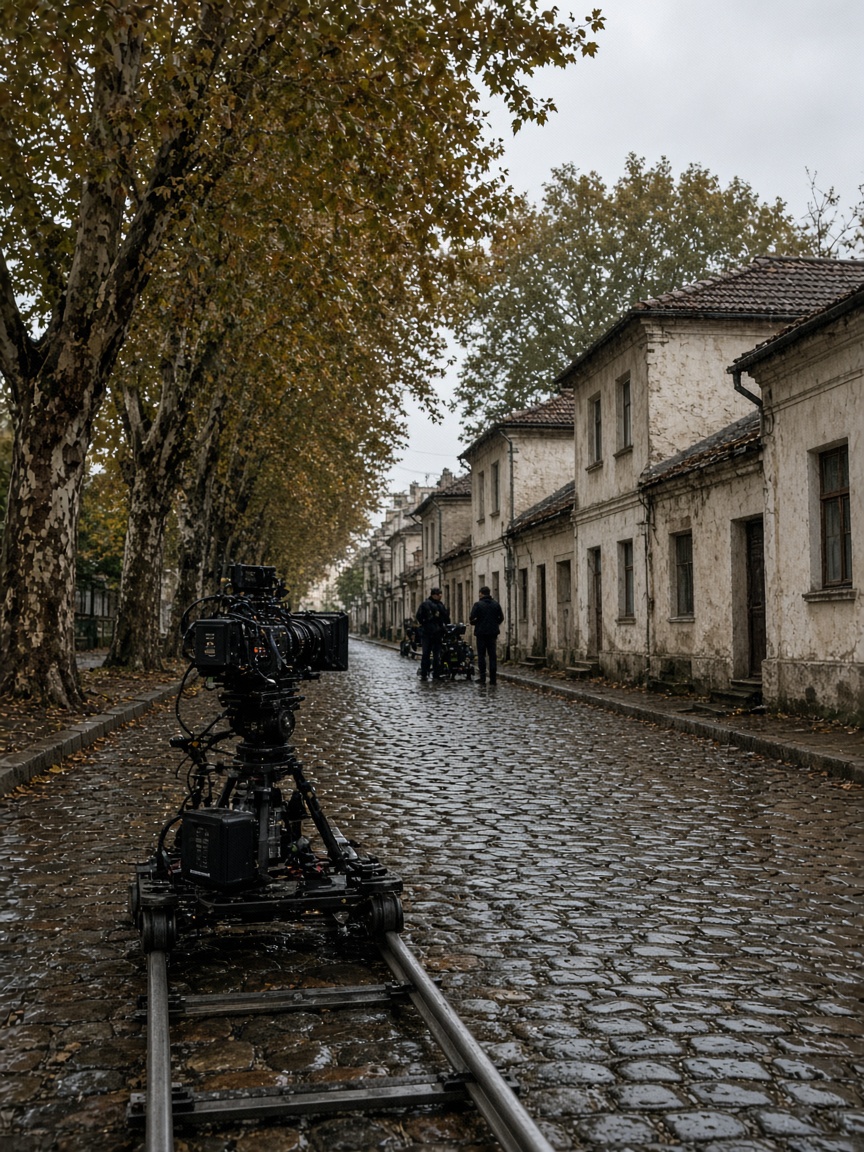
Filming on Mateevici: what the Primăria asked for
For a street closure in the centre of Chișinău the Primăria wanted seven documents: the request itself, a site plan of the closure, the schedule by the hour, proof of insurance, a letter from the production company, the agreement of the traffic police, and a list of vehicles with plate numbers.
From the day we filed to the day we had the signed permit took eleven working days. The police agreement was the step that moved fastest once we sat down with them; they were mostly concerned with where the buses would turn.
Allow three weeks for anything in the centre, and write to every household on the street yourself. A permit is not the same thing as a neighbour who knew you were coming.
Grading for limestone
The old houses of Chișinău are built from a soft local limestone that reads warm, almost honey, in daylight. Under cheap LED fixtures, or on a camera balanced for them, it slides towards a faint green that clients notice before they can say what is wrong.
Irina's approach is to find a patch of clean stone in every scene and treat it as a reference the way you would a grey card, then hold that patch warm through the whole sequence. Skin follows more easily than you would think once the walls are right.
On set, the fix is simpler: if you light a limestone wall, light it with tungsten or with a fixture you have tested against it. We keep a sample block in Hall A for exactly that.
Boards for clients who scout themselves
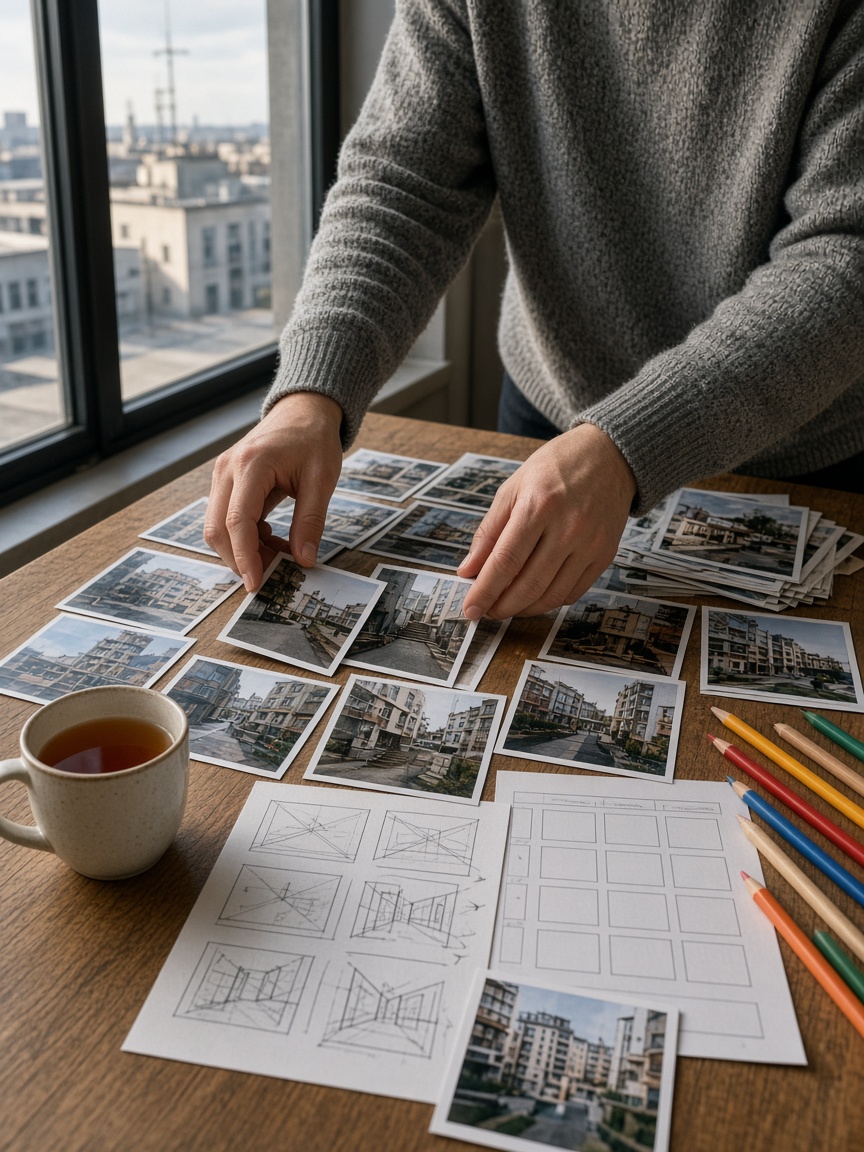
Some clients arrive with their own location photos, sometimes from places we have never been, sometimes from a holiday. We do not argue with that. We print them, lay them next to the storyboard and the calendar on the long table, and check each one against the plan.
The questions are always the same: what time was this taken, which way is the camera facing, where does the van stop, and who owns the ground. Half of the prints usually survive. The other half get replaced with a place nearer Chișinău that does the same job for a day less of travel.
It is a cheaper conversation to have at a table in August than on a hillside in October.
Need one of these places for your shoot?
We can recce it for you this week, with a file you can hand straight to your director.